
How to dispose of leftover packing materials after moving to Cincinnati?
get a free quoteAfter a move, the mess can build up quickly. The easiest way to handle it is to sort everything first, reuse what still works, recycle clean cardboard and paper, and take film, foam, and other tricky items to the right local drop-off spots. Cincinnati has a strong recycling system, but not every material belongs in curbside pickup. If you live in a larger building or have unusual items, checking local rules first can save time and hassle. That simple plan makes leftover packing materials after moving to Cincinnati much easier to manage.
You move in. You unpack. And then? You look around and realize the real cleanup has just started. Boxes everywhere. Packing paper in corners. Bubble wrap under chairs. It adds up fast. In Cincinnati, that mess is more than a space issue. The city launched the oldest curbside recycling program in Ohio in 1989, and by 2024 it had diverted 19,724.75 tons with a 21.24% diversion rate. So, the system is there. You just need to use the right part of it to dispose of leftover packing materials after moving to Cincinnati.
How to sort your packing materials?
People comparing moving companies in Cincinnati Ohio often focus on transport first, then realize the leftover materials need a plan too. The key is knowing what you have, where it belongs, and what not to mix.
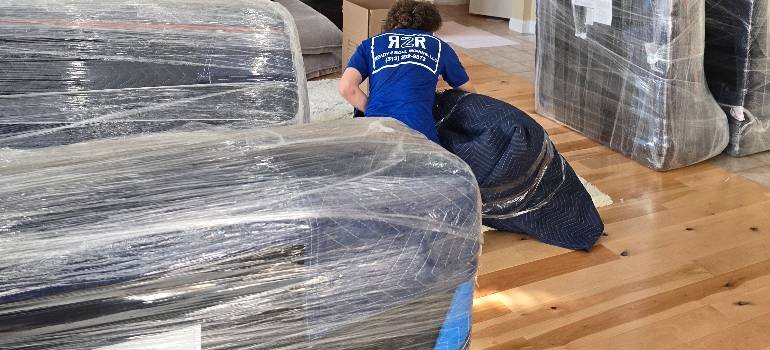
Before you throw out cardboard boxes after moving in Cincinnati, stop and sort. Really. It makes the whole job easier. Start with 5 simple groups:
- cardboard
- clean paper
- plastic film
- foam
- mixed materials
That means moving boxes in one pile, packing paper in another, then bubble wrap, stretch wrap, and air pillows together. Foam sheets, coolers, and peanuts get their own group too.
Padded mailers and bubble mailers? Separate those as well, because they mix paper and plastic and usually cannot go in one simple stream.
Also, pay attention to condition. Clean and dry matters. A lot. Wet cardboard, stained paper, and dirty wrap can create problems during recycling. Flatten boxes early so they do not take over the room. If you have a garage, hallway, or spare wall, set up 3 clear zones:
- reuse
- recycle
- specialty drop-off
If you bought extra packing supplies Cincinnati sellers often carry, sort those by material too instead of treating them as one pile. Why bother? Because once you sort first, every next decision becomes quicker and cleaner.
Reuse boxes and used moving supplies in Cincinnati while they still have value
Not everything needs to leave your home right away. Some of it still has real value.
- Strong medium cartons can hold holiday decorations, tools, or kids’ clothes.
- Large wardrobe boxes can store coats or extra bedding.
- Clean kraft paper can protect dishes, glassware, or framed photos the next time you need to pack something.
- Even bubble wrap can be useful again if it is clean and dry.
So before you recycle anything, ask a basic question: can someone still use this? Often, yes. Cincinnati has good local reuse culture, and the Cincinnati Recycling & Reuse Hub is part of that picture. Its Hub Shop operates at 911 Evans Street, and the organization has now served the area for 5 years.
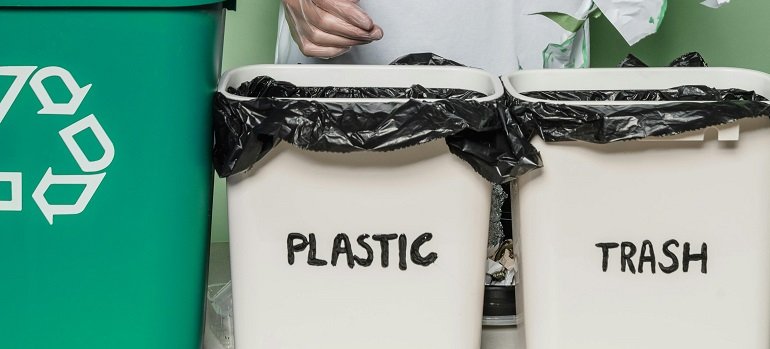
People who book a packing service in Cincinnati often end up with cleaner, more reusable leftover packing materials after moving to Cincinnati because the supplies stay better organized from the start.
Professional movers pass cardboard boxes after moving in Cincinnati along through reuse and exchange options. Keep reusable boxes folded flat, grouped by size, and stored dry. Small effort. Big difference. When used moving supplies in Cincinnati look organized and usable, they are much easier to give away instead of dumping.
Thing of recycling before you dispose of leftover packing materials after moving to Cincinnati
Cardboard and paper are usually the easiest used moving supplies in Cincinnati to clear out after a move, but there are still rules that matter. In Cincinnati, curbside recycling is available at no extra cost for all single-family households and multi-unit buildings with 4 units or fewer that already receive curbside garbage collection. That covers a lot of movers, but not everyone.
If your address qualifies, flattened moving boxes and clean paper are usually the simplest part of your cleanup. Cincinnati’s recycling service is handled by Rumpke, not by the city’s garbage trucks, which is useful to know if you are trying to figure out why the pickup works differently.
And what if you just have too much cardboard? That happens all the time after a move. It can happen even faster when local moving companies in Cincinnati Ohio handle several rooms in one day and the cardboard boxes after moving in Cincinnati pile up all at once.
Then public drop-off sites help. The city has several, including:
- Lebo’s at 5869 Kellogg Ave.
- Hamilton County Environmental Services at 250 W. H. Taft Rd.
- Ault Park at 5090 Observatory Ave.
- Maple Ridge Lodge at 3040 Westwood Northern Blvd.
Keep non-accepted used moving supplies in Cincinnati out of curbside recycling
This is where many people slip up. They do the right thing with cardboard boxes after moving in Cincinnati, then toss everything else into the same cart. Easy mistake. But not a good one. Cincinnati’s curbside program does not want plastic bags and plastic films in the recycling cart, which means stretch wrap, shipping film, and most bubble wrap should stay out.
Foam is another major no. That includes:
- Styrofoam blocks
- foam coolers
- many packing peanuts
Padded mailers can be tricky too, because they look recyclable at first glance, but they often mix materials that the curbside stream cannot sort well.
And peanuts? Those leftover packing materials after moving to Cincinnati deserve extra caution. Some are polystyrene. Some are cornstarch-based. They do not belong in the same disposal path. So if you are looking at soft plastic, foam, or a layered mailer, pause. Do not guess. Keeping those items out of the blue cart protects the paper and cardboard that Cincinnati’s system is actually built to recover.
Use local drop-off to dispose of leftover packing materials after moving to Cincinnati
What do you do with the awkward used moving supplies in Cincinnati? The materials that are not trash, but also do not belong in curbside recycling? This is where local outlets matter. Cincinnati’s public recycling dumpsters are useful when you have overflow
- paper
- bottles
- cans
- cardboard
One newer site opened at Madisonville Recreation Center, 5320 Stewart Ave., and it is open 7 days a week from 6:00 a.m. to 9:00 p.m. That is a practical option when your cart is already full.
For the harder materials, the Cincinnati Recycling & Reuse Hub is the key name to know. Its current resident drop-off hours are
- Tuesday 10 a.m. to 2 p.m.
- Thursday 12 p.m. to 6 p.m.
- Saturday 10 a.m. to 2 p.m.
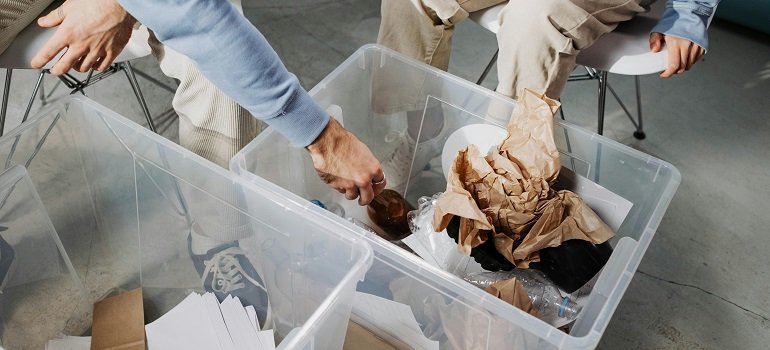
The Hub accepts items such a:
- plastic film
- Styrofoam
- foam sheets
- coolers
- Styrofoam packing peanuts
One catch: packing peanuts must be boxed or bagged and checked by staff first.
Know your backup options and finish the job cleanly
Sometimes, even after all the sorting, reusing, and recycling, you still have used moving supplies in Cincinnati that do not fit anywhere else. That is normal. Wet cardboard, moldy paper, torn plastic covered in dirt, and heavily contaminated packing material may need to go out as trash. Not ideal. But sometimes necessary.
Housing type also matters more than many people expect. More than half of Cincinnati residents live in buildings with 5 or more units, and those buildings do not follow the same standard curbside setup as smaller properties. So if you live in a larger apartment building, condo complex, or managed property, check the building’s rules before assuming you can use the same process as a single-family home.
Not sure where to start? Use 311Cincy. Residents can call 311 inside Cincinnati, or 513-765-1212 from outside city limits, for service guidance. It is a small step, but it can save you from missed pickups, rejected materials, or a pile of leftover packing materials after moving to Cincinnati.
Wrap up your move with less used moving materials in Cincinnati
At the end of it all, the cleanup does not need to be complicated. Just structured. Sort first. Reuse what still has life in it. Recycle clean cardboard and paper the right way. Then send film, foam, and specialty items to the right outlet instead of hoping curbside will take them. That is the simplest way to deal with leftover packing materials after moving to Cincinnati without creating a second mess after the first one. Clean it up. Clear the space. Move on.
Frequently asked questions and answers
Yes, if the materials still look clean and sturdy. This works best for standard moving boxes, wardrobe boxes, bubble wrap, and unused paper. Many people dealing with leftover packing materials after moving to Cincinnati look at recycling first, but selling can make sense when supplies still have value. In practice, that means the boxes should stay flat, dry, and strong enough for another move.
A simple option is to offer them through local community groups or box exchange platforms. That works especially well for clean boxes, packing paper, and reusable wrap. The better the condition, the easier the giveaway. So before you break anything down, check whether someone else can use it first.
Usually, small amounts are not a major problem, but removing excess tape still helps. Heavy tape, large labels, and stuck-on packing material make cardboard harder to process cleanly. That is why it makes sense to strip off as much as you reasonably can before recycling. It is a small step, but it can make leftover packing materials after moving to Cincinnati easier to manage correctly.
First, make sure they are actually biodegradable. Cornstarch peanuts usually dissolve in water, while polystyrene peanuts do not. If they dissolve, home composting may be an option. If they do not, treat them like foam peanuts and keep them out of regular curbside recycling. That quick test can save you from sorting them the wrong way.
Usually, no. Most bubble mailers and padded envelopes combine paper and plastic layers, so they do not belong in a standard paper recycling stream. Some mailers may have special recycling instructions, but the safest move is to check the material first. If it mixes layers, it usually needs separate handling instead of curbside recycling.
Plastic film usually needs store drop-off or specialty collection, not a household recycling bin. That includes shrink wrap, plastic shipping wrap, and similar soft film used during moves. This is one of the most common pain points with leftover packing materials after moving to Cincinnati, because people often assume all plastic belongs in the same place. It does not. Soft film needs its own route.