
Avoid move-in day problems by checking HOA apartment and subdivision rules in Ohio
get a free quoteMoving to Ohio gets easier when you understand the rules before move-in day. HOA apartment and subdivision rules in Ohio can affect trucks, elevators, parking, pets, rentals, fees, and exterior changes. Buyers and renters should review documents early. Strong planning means checking Ohio HOA condo and neighborhood move-in rules, asking direct questions, and saving approvals. Clear Ohio community association and subdivision moving guidelines help prevent delays, fines, and stressful surprises.
Moving to Ohio already comes with enough planning. You may be comparing schools, commutes, utilities, movers, insurance, and closing dates. Then one more thing appears: community rules. It may sound minor at first. But these rules can affect your first day in the home. Ohio has about 5.2 million households, so these issues affect many people. Before signing or closing, check HOA apartment and subdivision rules in Ohio. You should also understand Ohio HOA condo and neighborhood move-in rules before setting a move date. Why? Because one missed rule can delay the truck, add fees, or create stress.
What type of Ohio community are you entering?
Before you review any rule, figure out what kind of property you are entering. Is it a condo, apartment, townhome, or subdivision home? That answer matters. For example:
- A condo near Lake Erie in Cleveland may follow condo association rules.
- A subdivision near Columbus, Delaware, Dublin, or Powell may follow planned community rules.
- A Cincinnati apartment may follow a lease and building policies.
- A townhome can be part of a condo association.
- A townhome can also sit in an HOA community.
Confusing? Sometimes. That is why you should ask early. The differences can also affect move-in access, which makes Cincinnati apartment vs house moves a useful comparison for local planning.

Ohio condominium law covers:
- Declarations
- Drawings
- Unit owners associations
- Records
- Board powers
Ohio planned community law covers:
- Owners associations
- Common elements
- Assessments
- Records
There is no single Ohio rulebook for every move. Your actual documents matter most. That is why the Ohio community association and subdivision moving guidelines can vary so much.
Which documents should you review before signing or closing?
Next, collect the paperwork before you commit. Do not wait until move-in week. Ask for:
- The declaration
- Bylaws
- Rules
- Regulations
- Amendments
- Recent notices
- Architectural standards
- Move-in forms
- Fee schedules
- Rental rules
- Parking maps
These documents explain how daily life works in that community. They may cover:
- Pets
- Trash
- Moving times
- Shared spaces
- Rentals
- Fees
- Exterior changes
In Ohio condos, the declaration must be filed and recorded. That is important in older high-rise buildings with elevator rules. It also matters in suburban subdivisions with:
- Private roads
- Ponds
- Signs
- Entrances
- Shared landscaping
Can you find these documents yourself? Often, yes. Search the county recorder’s office. Franklin County, for example, has more than 11 million recorded deeds, mortgages, liens, plats, and related records. Renters should ask too. Owners may still receive violation notices for tenant mistakes. Reviewing Ohio HOA condo and neighborhood move-in rules early helps both groups avoid confusion.
What should you check before the moving truck arrives?
Now think about the actual move. Where will the truck park? Which door can movers use? Can they use the elevator? How will you find the best moving company Cincinnati homeowners trust? These questions matter more than people expect.
Many Ohio buildings set rules for:
- Approved move-in days
- Approved move-in hours
- Elevator reservations
- Mover insurance forms
- Loading areas
- Damage deposits
- Security desk check-ins
In dense areas, details matter even more. Downtown Cleveland, Columbus, Cincinnati, Lakewood, and university-area neighborhoods often have limited curb space. Cleveland requires permits for some street, meter, and sidewalk obstructions. The city also asks for proposed dates, hours, and 12 to 14 business days’ notice.
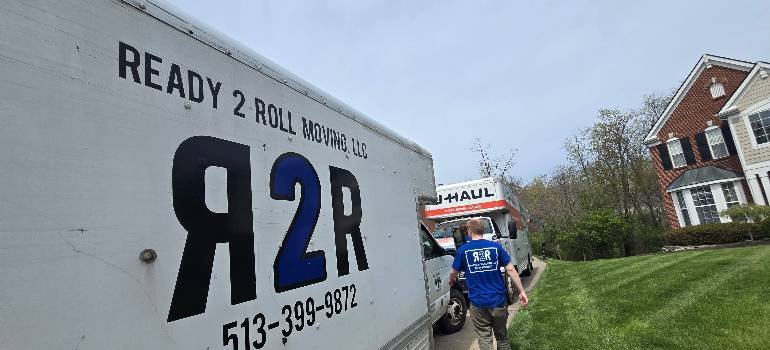
Columbus loading-zone rules do not always give exclusive use to permit holders. Cincinnati may require right-of-way permits for certain street uses. If your building has narrow halls or strict elevator windows, experienced Cincinnati apartment movers can make timing easier.
So, check both community rules and city rules. Also, plan for the Ohio winter. Snow, ice, salt, and plowed spaces can change everything. Good Ohio community association and subdivision moving guidelines should account for these seasonal issues.
How can parking, vehicles, and shared spaces affect move-in day?
Parking can become the first real dispute in a new community. It happens fast. A guest parks in the wrong spot. A moving trailer stays too long, or a work truck violates a rule. Suddenly, your first week feels stressful. To avoid that, ask about:
- Assigned spaces
- Visitor spaces
- Permits
- Garages
- Overnight limits
- Boats
- RVs
- Trailers
- Moving containers
- Commercial vehicles
These details matter in suburban Ohio communities with narrow streets. They also matter in older Cleveland and Cincinnati neighbourhoods with limited curb parking. Some subdivisions have private roads, which may carry their own rules.
Shared spaces need attention, too. Ask about rules for:
- Pools
- Clubhouses
- Playgrounds
- Ponds
- Gyms
- Sidewalks
- Lobbies
- Hallways
Also, ask who pays if movers damage a shared area. Better yet, take photos before the truck arrives. This is a practical part of the Ohio HOA condo and neighbourhood move-in rules that many residents overlook.
What should you know about HOA apartment and subdivision rules in Ohio?
Pets can affect your move before you even unpack.
Some communities set rules for:
- Number of pets
- Breed limits
- Weight limits
- Registration
- Vaccines
- Leashes
- Cleanup
- Shared green spaces
Condo buildings may also control pets in:
- Elevators
- Hallways
- Lobbies
- Balconies
Then there are county rules. In Warren County, dogs over 3 months old need yearly licenses by January 31. Lucas County also requires dog licenses for dogs owned 30 days or longer. So, local rules matter alongside community rules.
But what about assistance animals? That is different. Assistance animals are not treated like regular pets under fair housing rules. Ohio housing guidance recognizes animal assistants in housing.
Reasonable accommodation requests should be handled carefully. If the need is not obvious, reliable documentation may be requested. The safest approach is simple:
- Ask early
- Respond clearly
- Keep everything in writing
Pet policies are a key part of Ohio community association and subdivision moving guidelines, especially for renters.
What exterior rental and architectural restrictions should you check?
After moving in, many people want to make the place feel like home with the help of moving services in Cincinnati Ohio. That makes sense.
- But can you add a fence?
- Install a camera?
- Change landscaping?
- Put items on a balcony?
Maybe. Maybe not.
Many Ohio subdivisions use architectural review committees. These committees may require written approval before visible changes. Ask before changing or adding:
- Fences
- Sheds
- Cameras
- Landscaping
- Balcony items
- Patio furniture
- Trash bin storage
- Holiday lights
- Mailboxes
- Window coverings
- Grills
- Door decorations
Condo buildings may also limit:
- hallway items
- door decorations
- balcony storage
- window coverings
- grills
- trash bins
- holiday lights

Even simple changes can trigger a notice. Satellite dishes and antennas can involve federal rules too. The FCC’s OTARD rule may protect certain antennas in areas under the user’s exclusive control.
Rental rules also need attention. Ask about:
- Long-term rentals
- Short-term rentals
- Lease minimums
- Tenant registration
- Rental caps
Planning to rent the home later? Airbnb-style use may be restricted. These rules often appear inside Ohio HOA condo and neighborhood move-in rules, even when they affect life after move-in.
What should you know about dues assessments, fines, liens, and disputes?
Money rules deserve careful attention. Ask about:
- Monthly dues
- Condo fees
- Transfer fees
- Move-in fees
- Reserves
- Special assessments
- Unpaid balances
- Late fees
- Collection costs
- Enforcement assessments
This is not just paperwork. It can become expensive. Ohio condo associations can place liens for unpaid common expenses and related costs. The lien becomes effective when a certificate is filed with the county recorder.
Ohio planned community law also allows liens for unpaid assessments and charges. These charges may include:
- Interest
- Late fees
- Enforcement assessments
- Collection costs
- Attorney fees
- Paralegal fees
Can an HOA fine you for breaking rules? In many cases, yes, if the governing documents allow it. So, never ignore a violation letter. Instead:
- Read the exact rule.
- Take photos.
- Save emails.
- Ask about hearings.
- Respond before deadlines.
Written communication helps. Clear Ohio community association and subdivision moving guidelines should also explain fees before move-in day.
Make your Ohio move easier with early checks
A smoother Ohio move starts before moving day. Not after. Get written approval before making visible changes. Save every rule, notice, receipt, email, and approval. Moving is already busy enough. Why add avoidable problems? HOA apartment and subdivision rules in Ohio vary by community, but early review makes them easier to manage. That is the real takeaway.
Frequently asked questions and answers
Yes. Ohio condo and planned community associations usually need reserve funds for major repairs and replacements. When reviewing HOA apartment and subdivision rules in Ohio, ask how reserves are funded and whether owners recently voted to reduce them.
Yes, but the board must follow the community’s governing documents and Ohio law. Some changes may need board approval, while others may need owner votes. Before moving in, review Ohio HOA condo and neighborhood move-in rules.
Yes. Ohio associations usually follow notice, meeting, and voting rules in their governing documents. These rules may affect board meetings, annual meetings, budget votes, and rule updates. When checking HOA apartment and subdivision rules in Ohio, ask how residents receive meeting notices.
It depends on the property type and governing documents. In condos, the association may handle many common elements. In subdivisions, owners may handle some items while the association handles shared areas
Yes. Ohio association members can often inspect many records, including budgets, meeting minutes, assessment records, and governing documents.
Usually, yes. Many communities carry a master insurance policy for shared areas or common elements. However, that policy may not cover everything inside your unit or home. When reviewing HOA apartment and subdivision rules in Ohio, ask what the association insures and what you must insure yourself.