
What not to pack when moving to Cincinnati
get a free quoteA safer Cincinnati move starts with knowing what belongs on the truck, what should stay with you, and what needs another plan. Separate hazardous materials, essentials, valuables, temperature-sensitive items, and anything you no longer need before packing begins so moving day stays organized and predictable.
When moving in Cincinnati, keep anything unsafe or essential separate until you know how it should be handled. That includes hazardous materials, important documents, medication, valuables, and belongings that are sensitive to heat or cold. Some everyday garage products cannot simply be packed with ordinary household goods. Others are better kept within reach throughout the move. Knowing what not to pack when moving gives you a clear plan for what belongs on the truck, what should travel with you, and what needs to be donated or disposed of before moving day. If you need help packing fragile belongings or only part of the home, a packing service Cincinnati residents can use can be included in the plan as well.
What not to pack when moving in Cincinnati
Start with anything flammable, explosive, corrosive, pressurized, or otherwise hazardous. Several common household and garage items should stay out of ordinary moving boxes:
- Gasoline and lighter fluid
- Fireworks and paint thinner
- Propane cylinders and oxygen bottles
- Certain automotive chemicals
Paint, pesticides, solvents, cleaning chemicals, and some batteries may need separate handling as well. These are also common things not to pack when moving with ordinary household goods. These items should be handled separately and identified before moving day. For interstate moves, hazardous materials should never be hidden inside household-goods boxes or luggage. Set questionable products aside early so you have time to decide how to handle them safely.
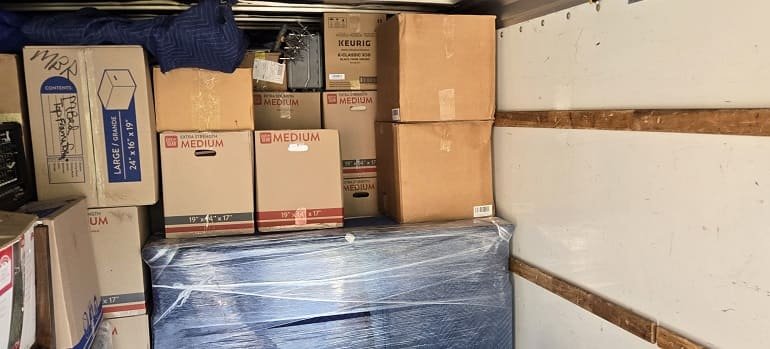
Decide what stays off the truck before packing begins
Some belongings stay out of moving boxes because of safety rules. Others simply need to remain accessible. Sort them before regular packing begins. Once you know what belongs in a box, choosing packing materials are worth buying for the items you are actually taking can help protect your belongings without adding unnecessary supplies.
| Category | Examples | What to do instead |
|---|---|---|
| Hazardous materials | Gasoline, paint thinner, propane cylinders, fireworks | Keep them out of ordinary boxes and arrange safe handling or disposal. |
| Perishables | Dairy, frozen food, fresh produce | Use, donate, discard, or transport separately when practical. |
| Valuables and documents | Passports, IDs, jewelry, important paperwork | Keep them personally accessible. |
| Medications | Prescription and essential medicines | Carry the medication you need with you. |
| Plants | Houseplants and plants with soil | Confirm the mover’s policy and any destination restrictions. |
Cut unnecessary weight before moving day
Also, carrying heavy or useless items adds weight and raises your total costs of moving. Donate, recycle, or toss anything you don’t need. Fewer boxes mean faster loading and lower expenses. Unpacking becomes easier, too. You won’t waste time sorting through things you already planned to get rid of. Make these decisions before packing so unwanted belongings never take up space on the truck.
What not to pack when moving: items moving companies will not move
Professional movers follow clear transport rules about what they can and can’t transport. Most have a standard list of restricted items, but exact policies can vary by company and type of move. Local moving companies in Cincinnati Ohio also have to account for applicable transportation and safety requirements.
If you have fuel, propane, chemicals, batteries, or another questionable item, identify it before moving day. These are the kinds of things not to pack when moving until you have confirmed how they should be handled. Plants and food can also require a separate plan depending on the move. Confirming uncertain items early gives you time to use them, transport them yourself, donate them, or dispose of them properly.

Pay special attention to batteries and fuels
Gasoline and propane cylinders, along with lighter fluid and paint thinner, need to stay separate from ordinary household goods. Used lithium-ion batteries need extra care because damaged batteries or exposed terminals can start fires. Do not place them in household garbage or curbside recycling.
Take used lithium-ion batteries to a battery-recycling or household hazardous-waste collection point instead. Before transporting a loose battery for recycling, cover its terminals with nonconductive tape. You can also place each battery in its own plastic bag so the terminals cannot touch metal or another battery.
Which items should you keep with you instead?
Some things not to pack when moving are not prohibited at all; they simply need to remain easy to reach throughout moving day rather than disappearing into the shipment. Keep the following with you:
- Passports, IDs, and moving documents that you may need during the move
- Medication you need during moving day or the trip to your new home
- Keys, wallets, and payment cards that need to stay accessible
- Phones and chargers you will need before the rest of your belongings are unpacked
Keep passports, IDs, jewelry, and medications with you at all times. These belongings are not necessarily prohibited from the truck. Keeping them separate simply prevents an essential item from becoming inaccessible inside a packed shipment.
Carry photo albums or family heirlooms yourself for peace of mind. For interstate moves, an item worth more than $100 per pound is considered an article of extraordinary or high value for mover-liability purposes. Jewelry, antiques, china, and silverware can fall into this category.
Tell your mover about high-value belongings in advance because failing to identify them in writing can affect compensation if something is lost or damaged. Even when an item falls below that threshold, anything emotionally irreplaceable is usually better kept with you when practical.
Can Cincinnati weather damage items during a move?
Cincinnati’s weather can affect which things not to pack when moving in the truck. A normal August high is about 85°F, with temperatures around 86°F common at the beginning of the month. A closed vehicle or belongings left in direct sun can become much hotter. Candles can soften or melt, and some electronics may not tolerate prolonged heat well. Cosmetics and certain foods can also be affected. Always avoid packing anything too sensitive to temperature shifts. Keep these belongings with you when practical and avoid leaving them in a parked vehicle.
Winter creates the opposite problem. Cincinnati’s 1991–2020 climate normals put the January daily low at 21.4°F. About 25.6 January days reach 32°F or below. Liquids can freeze, expand, or leak, while sudden temperature changes can be hard on sensitive belongings.
If you’re unsure how to handle delicate belongings, trust experts like Ready 2 Roll Moving Cincinnati apartment movers. During cold-weather moves, identify temperature-sensitive belongings before loading. The goal is to prevent unnecessary exposure to freezing conditions.
What should you do with items movers cannot take?
Some things not to pack when moving need another plan before moving day, but you still have smart options. First, donate usable clothes, books, and canned goods to shelters or local donation centers. This clears space and helps others. Next, consider selling items online or through neighborhood groups. Small furniture and kitchenware may be easier to sell than move. Toys and other usable belongings can also be gifted to friends or neighbors. Sorting these things before packing keeps them off the truck and prevents you from paying to move items you no longer need.
Use the correct Cincinnati disposal option for hazardous waste
For anything unsafe or expired, use the correct disposal route rather than putting it in a moving box or leaving it with ordinary trash. Cincinnati regular and bulk garbage collection excludes several types of hazardous household waste:
- Car batteries and liquid paint
- Acids and motor oil
- Household chemicals
- Pressurized gas tanks
These materials should go through Hamilton County R3Source or another appropriate hazardous-waste collection option. Never pour paint, oil, solvents, or household chemicals onto the ground or into a storm drain simply to empty a container before moving. Proper disposal matters before moving day.
Handle unwanted medications and plants separately
Keep medication you still need with you. For most unused or expired medicines, a drug take-back location or prepaid mail-back program is the safest disposal option. When neither is readily available, follow the disposal instructions for that specific medication. A limited group of medicines has special flushing instructions, while others can be prepared for household-trash disposal.
Plants need a different plan. Plants and soil can carry pests or diseases across state lines, so confirm destination restrictions before a long-distance move. Careful planning matters even more when moving with plants long distance, because restrictions and transport conditions can change once you cross state lines. If transporting a plant becomes impractical, rehoming it locally may be the simpler option.
How can you avoid packing restricted items by mistake?
That’s why it’s important to sort your belongings early. Label boxes clearly and speak with your movers in advance. Professionals offering moving services in Cincinnati Ohio can explain what’s safe to load. Clear separation before packing begins is one of the easiest ways to prevent mistakes.
Before regular packing begins, create a separate area for the things not to pack when moving directly onto the truck. A simple setup works best:
- Keep hazardous products away from the regular packing area.
- Place important personal belongings somewhere easy to reach.
- Set aside anything that will be donated before moving day.
- Keep items awaiting disposal separate from packed boxes.
Keeping these groups away from regular boxes makes accidental packing much less likely.
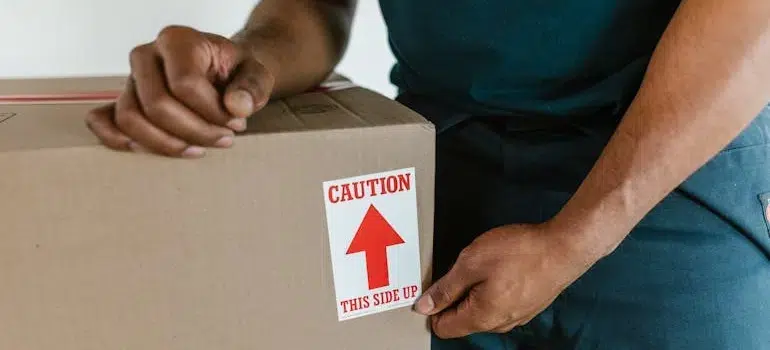
If you’re unsure, providers of moving help Cincinnati are a great resource. Contact Ready 2 Roll Moving before moving day when you are uncertain about a particular belonging. This is especially useful for items with unusual handling requirements or anything that may present a safety concern.
Confirming the item early gives you time to make another plan instead of discovering the problem while the truck is being loaded. For an interstate move, never hide a hazardous product inside an ordinary household-goods box or piece of luggage.
Create a clear “Do Not Pack” area
A checklist can keep your Cincinnati move organized and stress-free. Use a moving checklist for your Cincinnati move to track everything. List what goes in each box, and what stays behind. Add a special section labeled “Do Not Pack” to avoid mistakes.
Keep important documents and medication in this area. Keys and valuables should stay there as well. Hazardous products can be placed in a separate, clearly marked location until you decide how they will be handled. Everyone helping with the move can then see what stays off the truck without having to remember a long list.
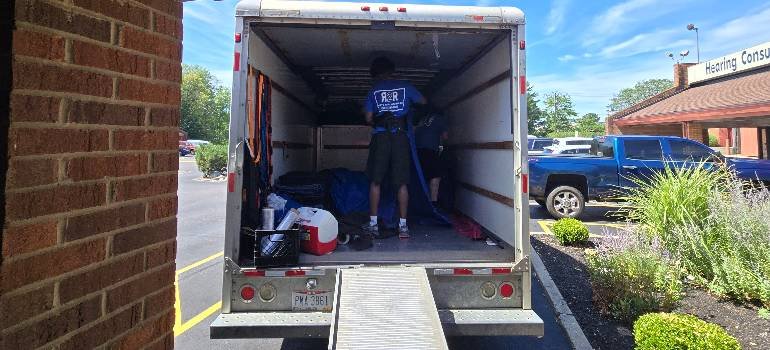
For example, keep medications, documents, and flammable items off the truck. Finish with a room-by-room check before loading. Look in the basement for old paint or fuel, then check the garage for propane. Bathroom cabinets are easy places to leave medication behind, while cleaning products often remain under sinks. Give every questionable item a clear destination before the crew starts loading.
What should you confirm before moving day?
Planning what not to pack when moving is just as important as deciding what to take. Contact your movers and ask for their do-not-pack list. Review your belongings room by room and set aside anything restricted or sensitive. Remove anything you already know you no longer need.
Keep essential belongings somewhere you can reach them throughout the move. Hazardous materials should remain separate from the shipment until you know how they will be handled. The final days are also the right time to focus on preparing for movers, so the home, boxes, and items staying with you are all ready before loading begins.
What details should you give Ready 2 Roll Moving?
Ready 2 Roll Moving can plan your Cincinnati move more accurately when the team knows where you are moving from and where you are going. Provide your moving date and explain whether you need packing help. Mention any unusual belongings before moving day, particularly items that may require special handling. Those details also help identify any remaining things not to pack when moving before the crew arrives. Discussing these details before the crew arrives gives everyone a clearer picture of the job. Don’t hesitate to request a free quote to start planning your relocation.
Frequently asked questions and answers
Usually, yes for heavy, fragile, liquid, or valuable contents. Some movers may allow lightweight clothing to remain in sturdy dressers, especially on local moves, but policies vary. Emptying drawers reduces furniture weight and lowers the risk of damage while the piece is being carried.
No. Pets need separate transportation because moving trucks are not designed for live animals. Keep pet food, carriers, leashes, medications, and comfort items accessible, and arrange for your pet to travel with you or stay somewhere safe during loading.
Many movers can disassemble common furniture when necessary, but the service depends on the company and the piece. Tell your mover about unusually large, complex, or difficult-to-access furniture before moving day so the crew can plan the right equipment and time.
Many professional movers,, such as Ready 2 Roll movers, can move safes, but size, weight, stairs, doorway clearance, flooring, and access all matter. A particularly heavy or installed safe may require specialized equipment or a specialist crew, so provide its approximate weight and location during the estimate.
Yes, if the refrigerator or freezer is being moved. Empty it, disconnect it, and allow enough time for built-up ice to melt before loading. Dry the interior thoroughly so remaining water does not leak onto the appliance, floors, or other belongings during transport.
Someone responsible should generally be available during loading and unloading. You may need to answer questions, confirm what stays or goes, provide access, and complete a final walkthrough. Being available also helps resolve unexpected issues before the truck leaves.