
What packing materials are worth buying, and what can you skip?
get a free quotePacking materials are worth buying when they protect items that can break, scratch, leak, or cost more to replace. Start with sturdy boxes, strong tape, labels, and packing paper. Then decide what to buy for packing when moving based on each room. Bubble wrap helps fragile items, while specialty boxes protect dishes, TVs, mirrors, and formal clothes. Many household items can also help, including towels, blankets, suitcases, and bins. To know what packing supplies are worth the money, focus on risk, distance, and item value before spending more.
Packing for a move sounds simple at first. Then the supply list starts growing. You need sturdy boxes, strong tape, and the right protection for fragile items. But do you really need everything? Not always. Here is the catch: under basic mover liability, a damaged 20-pound item may be covered for only $12. That makes smart packing feel much more important when you choose Cincinnati full service movers. Many people ask what to buy for packing when moving because they want protection without waste. They also want to know what packing supplies are worth the money. Learn what helps, what you can reuse, and where you can save without risking damage.
Start with the packing basics that matter most
Start with good boxes. They do more than hold your things. They protect them during lifting, stacking, and loading. If you are deciding what to buy for packing when moving, boxes should come first. If you need sturdy moving boxes Cincinnati Ohio companies provide, choose sizes that match the weight of your items.
Small boxes work best for:
- Books
- Tools
- Canned food
- Heavy kitchen items
Medium boxes are better for:
- Dishes
- Toys
- Bathroom items
- Small appliances
Large boxes should stay light. Use them for:
- Pillows
- Bedding
- Towels
- Coats
Heavy items in large boxes can split the bottom. Worse, they can hurt someone carrying them. Next, buy strong packing tape. This is one of the clearest answers to what packing supplies are worth the money. Cheap tape may peel open when boxes get moved. Use tape on the bottom seam first. Then secure the side seams. Finally, label at least 2 sides. Room name plus contents is enough. For heavy shelves or personal libraries, it also helps to learn how to pack books for moving before filling each box.
Use paper, bubble wrap, and padding with a clear purpose
Packing paper is one of the most useful supplies for kitchens. It is also a good example of what packing supplies are worth the money when you have dishes and glassware. For extra care, use a clear method to pack glassware for moving before placing items inside the box.
It works well for:
- Plates
- Bowls
- Mugs
- Glasses
It also helps protect serving dishes. Use it between stacked items. Wrap it around anything that may scratch. Unprinted paper is best because it will not leave ink behind. Could towels do the same job? Sometimes.
Towels, T-shirts, and washcloths can protect sturdy items well. Still, they take more space. Bubble wrap is different. It is better for impact protection. When planning what to buy for packing when moving, save bubble wrap for fragile items.
Use it for:
- Glass décor
- Ceramics
- Lamps
- Frames
- Mirrors
It can also help with small electronics. Paper protects surfaces. Bubble wrap cushions bumps. For very fragile items, use both. Packing peanuts? Usually skippable for home moves.
Choose specialty supplies only when they solve a real problem
Specialty supplies can help, but only when the item needs them. Dish boxes are useful for kitchens with many breakable items. Their thicker walls reduce pressure during transport. Dividers also limit movement inside the box. Glass divider kits help with wine glasses and stemware. They also work well for fragile cups. A TV box is worth considering for a large flat screen. Screens can crack when pressure hits the wrong spot. Mirror and picture boxes protect framed art and thin glass. Wardrobe boxes are helpful for formal clothes.
They also work for:
- Suits
- Dresses
- Coats
But for everyday clothes? Suitcases and garment bags may be enough. Mattress bags are also useful. They keep mattresses cleaner during loading, transport, and storage. These are practical examples of what packing supplies are worth the money when the item is hard to clean, replace, or protect. For bigger moves, especially across more distance, it helps to plan the right packing supplies for a long distance move before packing starts.
Reuse household items before buying more
Before you shop, look around your home. You may already have many useful packing supplies. This step matters when deciding what to buy for packing when moving, because it helps you avoid buying duplicates.
Towels can wrap:
- Plates
- Mugs
- Vases
They can also protect small glass items.
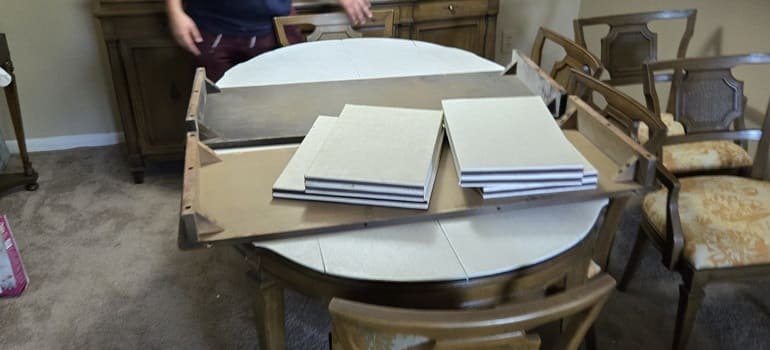
Blankets can protect:
- Dressers
- Chairs
- Tables
Use them for nightstands too.
Suitcases are perfect for:
- Books
- Shoes
- Documents
They also work well for other heavy belongings. Laundry baskets can carry pillows and toys. They can also hold pantry items or cleaning cloths. Socks can protect small ornaments, cups, or candle holders. Reusable grocery bags can hold dry food and bathroom supplies. Plastic bins can replace cardboard boxes, especially for storage.
Free boxes can also help. Just inspect them first. Damp, crushed, weak, or dirty boxes are not worth the risk. Reused items are often the opposite of what packing supplies are worth the money. They work well because you already own them. After the move, you can also decide what to do with leftover packing materials instead of letting them pile up.
Protect furniture, clothes, and electronics without overspending
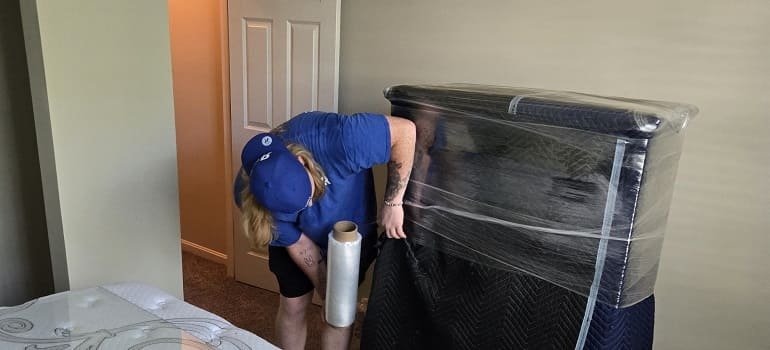
Furniture damage often happens during loading, not packing. So, protect corners before anything moves. Cover legs and flat surfaces too. Moving blankets or furniture pads work well for wood furniture. Home blankets can help during short local moves. For longer moves, proper pads are safer. Stretch wrap is useful too. It can hold drawers closed. It can also secure cords and loose parts. Plus, it keeps pads in place without tape. Never tape directly onto wood, leather, or painted furniture.
For clothes, use suitcases and garment bags. Wardrobe boxes help with formal clothing. Vacuum bags are great for coats and bedding.
For electronics, original boxes are best. No original box? Use strong boxes, padding, and cable labels. If you are unsure what packing supplies are worth the money, start with protection for furniture, screens, and electronics.
Know what not to pack in regular moving boxes
Some items should stay out of regular moving boxes. This is part of knowing what to buy for packing when moving, because some items need no packing supply at all. You need to know what not to pack when moving to avoid risky items before moving day.
These include:
- Paint
- Gasoline
- Lighter fluid
- Oils
- Pesticides
Propane cylinders and strong cleaners also create risk. These hazardous household materials may leak, burn, corrode, or react during transport.
The same caution applies to:
- Aerosols
- Solvents
- Pool chemicals
- Automotive fluids
Perishable food should not sit inside sealed boxes for long. Plants can also suffer during transport, especially on longer moves. Keep key personal items with you instead.
This includes:
- Passports
- Jewelry
- Medication
- Legal documents
Keep financial papers and keys with you too. Do not bury them in the truck. Fragile valuables may also need extra care and professional packing service Cincinnati professionals use.
Plan your supply budget before moving day
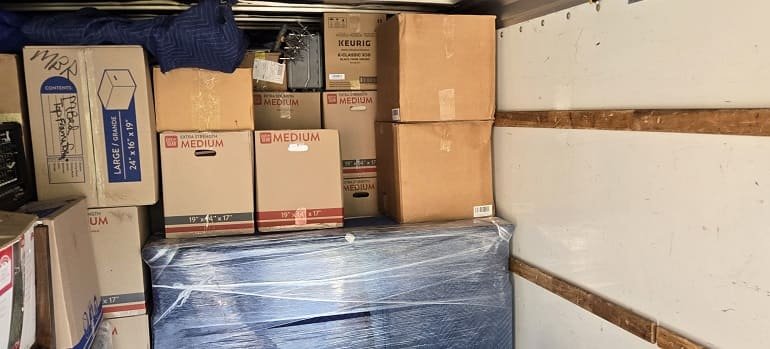
A simple plan can save money fast. Start room by room. List anything fragile first. Then note heavy, bulky, or valuable items. This makes it easier to decide what to buy for packing when moving without guessing. Kitchens usually need the most paper. They also need small boxes and dividers. Bedrooms often need fewer specialty supplies. That changes if you have many hanging clothes. Living rooms may need blankets and stretch wrap. They may also need picture boxes and TV protection.
Bathrooms need small boxes and sealed bags. Clear labels help with liquids. Storage moves need more protection than short moves. Use mattress bags when items may sit for weeks. Dust covers and plastic bins can also help. Reuse what you can. To efficiently pack for your move, group supplies by room before you begin. After unpacking, donate usable boxes instead of throwing them away.
What packing materials are worth buying? Depends on what you need to pack
You do not need every packing product on the shelf. You need the supplies that match your move. So, when choosing what to buy for packing when moving, focus on risk first. That is also the best way to know what packing supplies are worth the money. Keep hazardous items separate. Keep valuables, documents, and medication with you too. In the end, packing materials are worth buying when they protect important items, save time, and prevent avoidable damage.
Frequently asked questions and answers
Buy basic supplies 3 to 4 weeks before moving day. Start with boxes, tape, labels, and paper. Then add specialty supplies after packing fragile rooms. This helps you see which packing materials are worth buying before you spend too much.
Yes. Pack 1 clear essentials box for your first night. Include chargers, toiletries, medication, sleepwear, basic tools, towels, snacks, and cleaning wipes. Keep it with you, not buried in the moving truck. This is part of knowing what to buy for packing when moving.
Some movers bring supplies when you book packing help. Others expect you to provide boxes, tape, and protection. Full-service moves usually include more materials. Labor-only or transport-only moves may not include packing supplies, so confirm what your move includes early.
Moving kits help if you want a fast, simple starting point. They usually include boxes, tape, and basic protection. However, separate supplies may cost less if you already own bins, blankets, bags, or leftover boxes. Compare both to see what packing supplies are worth the money.
Tighten every lid, then place liquids in sealed bags. Pack them upright in small boxes. Keep cleaning products, toiletries, and pantry liquids separate from clothes, paper, and electronics. Never pack leaking bottles with fragile items or important documents.
Pack daily-use items last. This includes bedding, toiletries, chargers, basic cookware, pet items, children’s items, and work essentials. Keep these items easy to reach. They make the final night and first morning much easier.