
Practical checklist of things you need when moving out
get a free quoteThe things you need when moving out include packing supplies, first-night basics, household essentials, important documents, and safety equipment. A practical moving out essentials list keeps medication, keys, valuables, chargers, and daily necessities accessible while the rest of your belongings are transported. Focus first on the things you need to move out comfortably, then add furniture, décor, and storage once you understand the new space.
Moving out for the first time is exciting, but deciding what to bring can quickly become overwhelming. Roughly one in nine Americans changed residence in 2024, yet many first-time movers still arrive without basics such as toilet paper, chargers, bedding, or cleaning supplies. This guide organizes the things you need when moving out so you can pack, travel, sleep, cook, bathe, clean, and stay safe during the first few days. Prioritize items you will use immediately, keep documents and medication with you, and measure the new space before buying furniture. For transportation help, compare quotes from movers in the Cincinnati area.
What are the most important things you need when moving out?
The most important items are those that let you complete the move and use the new home during the first 24–48 hours. Pack these separately so they do not disappear into the back of a moving truck or beneath a stack of boxes.
| Priority | Pack | Keep it |
|---|---|---|
| Keep with you | ID, keys, medication, phone, and wallet | Personal bag |
| Open first | Toilet paper, soap, tools, and cleaner | Essentials box |
| First night | Bedding, towels, toiletries, and clothes | Suitcase |
| First meal | Cookware, dishes, food, and water | Kitchen box |
| Safety | First aid, flashlight, and alarms | Easy reach |
| Can wait | Décor, rugs, shelves, and extra furniture | Unpack later |
Label the essentials box clearly and load it last so it is one of the first items removed from the moving truck.
Use this moving out essentials list to keep each category separate while packing. A clearly marked essentials box and personal bag will prevent you from opening multiple boxes just to find a charger, towel, or roll of toilet paper.
Which packing supplies do you need?
Among the first things you need to move out are sturdy boxes in several sizes, packing tape, permanent markers, labels, packing paper, resealable bags, and protective materials. Comparing the packing materials worth buying can help you avoid spending money on specialty supplies your move does not require. Use small boxes for books, canned food, tools, and other dense items. Large boxes work better for pillows, bedding, lampshades, and lightweight belongings.
- Small, medium, and large moving boxes
- Strong packing tape and a tape dispenser
- Permanent markers and room labels
- Packing paper or other cushioning material
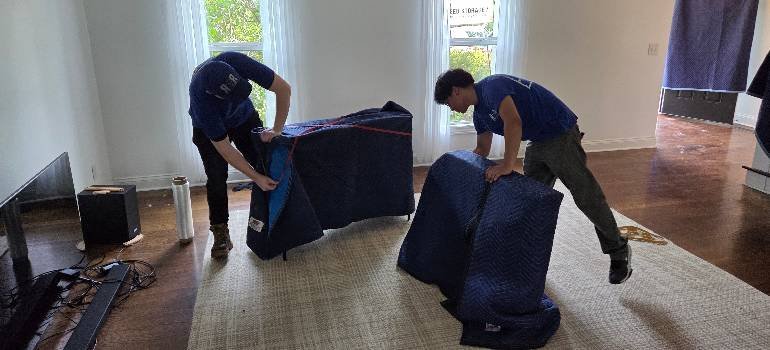
- Moving blankets and furniture protection
- Mattress bags
- Resealable bags for screws and furniture hardware
- Stretch wrap, furniture sliders, and corner protectors where needed
Label every box with its destination room and a short description of the contents. Place the label on the top and at least one side so it remains visible when boxes are stacked. Mark breakable boxes as “Fragile,” but still identify what is inside.
Keep a hammer, screwdrivers, Allen keys, pliers, utility knife, and measuring tape accessible for furniture disassembly and setup. If packing or preparing large pieces feels unmanageable, a packing service in Cincinnati can help protect furniture and organize boxes before moving day.
What do you need for stairs and narrow entrances?
Some Cincinnati homes and apartments have steep exterior steps, compact halls, tight stair turns, or small elevators. Measure doorways, stairwell widths, landings, hallway corners, and elevator doors before moving a mattress, sofa, dresser, or bookshelf.
Moving blankets, stretch wrap, floor protection, mattress bags, and corner guards can reduce damage. Avoid trying to carry heavy furniture down steep or narrow stairs without enough people and the proper equipment.
What should you keep with you on moving day?
A personal bag is one of the most important things you need to move out safely and comfortably. Keep it with you instead of placing it in the moving truck, and include anything you may need before the main boxes are unloaded.
- Photo identification, wallet, payment cards, and cash
- Old and new keys, garage remotes, and access codes
- Lease, closing paperwork, and property instructions
- Prescription medication and essential medical supplies
- Phone, charging cable, and backup battery
- Laptop and essential work equipment
- Jewelry and small valuables
- One complete change of clothes
- Toiletries and personal-care items
- Water and easy snacks
- Pet, baby, or child-care necessities
Some belongings should remain with you, while hazardous or restricted materials should not be loaded at all. Knowing what not to pack when moving to Cincinnati can help you separate prohibited materials from medication, documents, valuables, and other personal items.
If you are using an interstate mover, keep your estimate, order for service, bill of lading, and shipment inventory accessible. Do not pack the only copies of important documents inside a box.
If you need help with furniture, boxes, or other heavy belongings, review the available Cincinnati moving services.
What do you need for your first night?
A first-night box groups the things you need when moving out to sleep, shower, take medication, charge your phone, eat a simple meal, and clean a minor spill without unpacking the entire home.
- Sheets, pillows, and a blanket or comforter
- One bath towel and washcloth for each person
- Toilet paper, hand soap, toothbrushes, and toothpaste
- Shampoo, deodorant, and other daily toiletries
- Prescription medication
- Phone chargers and a backup battery
- Water and food that requires little preparation
- Dish soap, sponge, paper towels, and trash bags
- Flashlight and first-aid kit
- Pet food, bowls, litter, leash, or children’s sleep items
Bring a shower curtain and hooks if the bathroom does not already have them. During a summer move in Cincinnati, keep water, fans, and lightweight clothing accessible. During winter, keep coats, gloves, blankets, sturdy shoes, and an ice scraper outside the moving truck.
What kitchen items do you need first?
Basic cookware is among the practical things you need to move out without relying on takeout for every meal. Start with one skillet, one saucepan, a cutting board, a usable knife, a spatula or cooking spoon, and a can opener.

- One plate, bowl, cup, and set of silverware per person
- Skillet and saucepan
- Knife and cutting board
- Spatula, cooking spoon, and can opener
- Dish soap, sponge, and kitchen towel
- Trash bags and a few food-storage containers
- Salt, pepper, and cooking oil
- Several easy meals or familiar pantry foods
A microwave, toaster, or coffee maker may be useful during the first week, but specialty appliances and full cookware sets can wait. Bring foods you already eat, such as pasta, rice, canned beans, soup, bread, or frozen vegetables, instead of filling the cabinets with unfamiliar products.
Wrap dishes, glasses, and stemware individually and fill open space so the items cannot shift. Follow these steps to pack glassware for moving before loading fragile kitchen boxes.
What bedroom items do you need?
A mattress, sheets, pillows, and a blanket or comforter are the bedroom things you need to move out comfortably. A bed frame is useful, but it can be assembled after the bathroom and basic kitchen supplies are ready.
- Mattress and bed frame
- Sheets, pillows, and blanket or comforter
- Bedside lamp if the room lacks suitable lighting
- Hangers and basic clothing storage
- Laundry basket or hamper
- Nightstand or small table
- Phone charger and alarm clock where needed
Keep frequently worn clothing easy to reach and leave seasonal or occasional items packed until the main rooms are functional. Measure the closet, walls, doors, and stairway before buying a dresser, wardrobe, or large storage system.
What bathroom items do you need?
Every practical moving out essentials list should place bathroom supplies near the top because you will need them immediately after the move.
- Bath towels and washcloths
- Bathmat
- Toilet paper and spare rolls
- Hand soap
- Shampoo and body soap
- Toothbrushes and toothpaste
- Deodorant and shaving supplies
- Shower curtain and hooks where needed
- Plunger and toilet brush
- Bathroom cleaner and small wastebasket
Have at least one clean towel ready for each resident. Additional towels can be unpacked later based on the household’s laundry schedule and storage space.
What living room items do you need?
The living room requires fewer immediate purchases than the bedroom, bathroom, and kitchen. Start with safe seating, suitable lighting, accessible charging points, and window coverings if the property does not provide them.

- Couch, armchair, or other safe seating
- Lamps where overhead lighting is insufficient
- Window coverings where privacy requires them
- Power strips used according to manufacturer instructions
- Small table where immediately useful
A television, coffee table, wall mount, decorative items, additional seating, and bookshelves can usually wait. Measure the room, entrances, stair turns, and elevators before bringing in oversized furniture.
What cleaning supplies do you need?
Cleaning products are easy-to-forget things you need to move out and settle in without delay. Keep a small set outside the main shipment. Completing the necessary cleaning before moving in is easier while cabinets, shelves, bathrooms, floors, and appliances are still unobstructed.
- Multi-surface cleaner
- Disinfectant suitable for the intended surface
- Sponges and cleaning cloths
- Paper towels
- Broom and dustpan
- Mop or appropriate floor cleaner
- Vacuum where needed
- Rubber gloves
- Garbage and recycling bags
- Toilet brush and bathroom cleaner
Before returning the keys to the old property, check closets, cabinets, drawers, storage spaces, the garage, basement, balcony, and outdoor areas. The steps for how to clean an apartment before moving out can help you prepare for the final inspection.

Which safety items should you have?
A complete moving out essentials list should include safety equipment that is accessible as soon as you enter the new home. Do not assume every alarm or safety item is present and working simply because the property was previously occupied.
- First-aid kit
- Flashlight and extra batteries
- Working smoke alarms
- Carbon-monoxide alarms where required or appropriate
- Fire extinguisher
- Emergency contact numbers
- Phone charger and backup power source
- Weather-appropriate blankets, fans, or other basic supplies
Test existing smoke detectors using their test buttons. Check that exterior doors and accessible windows lock, locate the electrical panel and water shutoff where accessible, and report missing alarms, active leaks, damaged outlets, or unstable railings to the property owner.
Which documents do you need when moving out?
Important records belong on your moving out essentials list, even though they should never be packed with ordinary household goods. Keep them in one secure folder or bag that stays with you, store digital backups separately, and do not rely on your phone as the only copy.
- Lease, rental agreement, closing documents, or property-access instructions
- Photo identification and Social Security documentation where required
- Insurance information and emergency contacts
- Utility activation confirmations
- Moving estimate, contract, bill of lading, and shipment inventory where applicable
- Move-in inspection form and dated property photographs
- Receipts, warranties, pet records, and essential medical information
- Driver license, vehicle title, registration, and proof of insurance
For an Ohio driver license or compliant ID, the Ohio BMV requires documents proving your full legal name, date of birth, Social Security number, legal presence, and Ohio residential address. A compliant credential requires two approved address documents from different sources, such as a lease, utility statement, bank statement, or insurance record.
Anyone bringing a vehicle from another state should also keep the current out-of-state license, original vehicle title, registration, proof of insurance, and lienholder information accessible. The license or ID, vehicle title, and registration must be transferred within 30 days of establishing Ohio residency. Vehicle registration generally requires an Ohio title or memorandum of title and an Ohio license, state ID, or acceptable proof of a Social Security number.
Which things can wait until after moving day?
Not all things you need when moving out must be purchased before moving day. Large furniture and decorative products should usually wait until you have measured the new home and spent several days using it, since early purchases may not fit the rooms, entrances, or your routine.
- Decorative pillows and wall décor
- Matching dishware sets
- Specialty kitchen appliances
- Large rugs
- Additional seating
- Coffee and side tables
- Television wall mounts
- Bookshelves and large storage units
- Complex closet organizers
Prioritize sleeping, bathing, food preparation, medication, cleaning, lighting, communication, and safety. Everything else can be added gradually.
What should you do with things you no longer need?
Sorting unwanted belongings is as important as gathering the things you need to move out. Avoid paying to transport furniture, clothing, or household products you plan to discard. Identifying things to get rid of before moving also gives you time to donate, sell, recycle, or arrange an approved collection.
Inside Cincinnati, do not leave furniture or appliances at the curb without checking the collection rules. The city’s bulk-item program applies only to eligible residential properties receiving city trash service, requires scheduled collection, and allows no more than five bulk items per appointment.
Confirm whether your property receives city collection or uses a private hauler. Residents of surrounding cities, villages, and townships must follow their own rules.
Start your move with the things you actually need
Use this moving out essentials list to prioritize identification, documents, medication, keys, valuables, chargers, and first-night supplies. These are the things you need when moving out and settling in before nonessential belongings. Set up the bedroom, bathroom, kitchen, and safety items first, then wait until you have measured and used the new home before buying large furniture, décor, or storage products.
Frequently asked questions and answers
Begin about four weeks before moving day, starting with seasonal clothing, books, decorations, and other nonessential belongings. Leave daily-use items until the final week. Larger homes, long-distance moves, and busy schedules may require six to eight weeks.
Ask grocery stores, bookstores, offices, neighbors, or local online community groups. Choose clean, dry boxes without odors, stains, or structural damage. Avoid weak boxes for dishes, books, electronics, and other heavy or fragile belongings.
Many movers sell boxes, tape, wrapping materials, mattress bags, and specialty containers, but these may not be included in the quoted moving price. Ask whether supplies, delivery, packing labor, and unused-box returns carry separate charges.
Contact providers about two weeks before the move and schedule service to begin by your move-in date. Keep utilities active at the old property until cleaning, inspections, and the final walkthrough are complete.
Your landlord may require proof of coverage before releasing the keys. Renters insurance generally protects personal belongings and provides liability coverage, while the landlord’s policy covers the building rather than your possessions.
Update your address with USPS, banks, insurers, employers, government agencies, subscription services, healthcare providers, and schools. Also notify anyone who sends important bills, legal notices, medication, or financial documents to your current address.