
How does industrial-era architecture and heritage influence life in Middletown OH today
get a free quoteMiddletown’s industrial past still shapes daily life through homes, streets, work, and culture. The city grew from river trade, paper mills, canal access, and Armco steel, then carried that identity into its neighborhoods. Today, Middletown Ohio historic neighborhoods like South Main, Highlands, and Central Avenue help newcomers understand local character. Living in historic Middletown Ohio can mean walkable blocks, older homes, downtown events, and more upkeep. The Sorg Opera House, Great Miami River, and former industrial sites also keep history visible. Overall, heritage influence life in Middletown through everyday choices, community pride, and relocation decisions.
Middletown, Ohio, has a lot of of history. The city grew through industry, river access, rail connections, paper mills, and steel. As of 2025, Middletown had 52,146 residents, yet South Main alone still holds more than 80 historic houses and buildings. Today, you can still see that past in older homes, downtown buildings, restored venues, and neighborhood pride. So, what does that mean for someone relocating? Quite a lot. The heritage influence life in Middletown because it shapes where people live, gather, work, and spend time. For many parents, family relocation to Middletown OH also means learning how local history affects schools, neighborhoods, and weekend routines.
Why Middletown’s industrial past still matters
Middletown’s story did not begin with steel, although steel became a major part of it. Early growth came from:
- farming
- river trade
- paper mills
- canal access
The Miami and Erie Canal helped connect Cincinnati and Toledo, which gave communities along the route better access to trade. Middletown benefited from that movement. Then came Armco. George M. Verity founded the American Rolling Mill Company, better known as Armco, in 1899.
Construction on the first Middletown steel mill began on July 12, 1900. That date still matters because Armco changed the city’s direction. It shaped:
- jobs
- families
- housing
- schools
- local pride

Even today, the industrial history of Middletown Ohio shows up in work culture, community life, and Middletown Ohio historic neighborhoods. That is also part of what you need to know before moving to Middletown Ohio, especially if you want the city’s past to make sense.
Historic districts give Middletown a strong sense of place
One of the first things newcomers notice is that Middletown does not feel the same everywhere. Why? Because Middletown Ohio historic neighborhoods each have their own character. The city has locally designated historic areas, including:
- South Main Street
- Highlands
- Main Street Commercial
- Oakland Conservation District
South Main, Central Avenue, and Oakland also have National Park Service recognition. South Main feels closely tied to older residential wealth near the Great Miami River. Highlands has:
- a calmer neighborhood feel
- tree-lined streets
- sidewalks
- early twentieth-century homes
Central Avenue and Main Street connect more directly with downtown business life. These areas are useful for relocation decisions because they show different versions of daily life.
- Quiet blocks?
- Walkable streets?
- Downtown access?
Middletown offers several choices. For people comparing older homes and moving plans, movers in Middletown Ohio often becomes part of the larger relocation decision.
Older homes affect the relocation experience
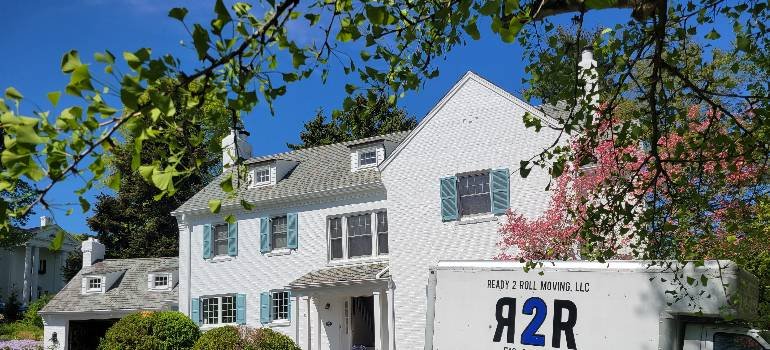
If you like older homes, Middletown gives you plenty to consider. South Main Street Historic District is the clearest example. It includes more than 80 houses and buildings, with many dating from the late 1800s and early 1900s. Some date back to the early 1800s. That is a lot of history in one residential area.
The district also connects with important local names, including Daniel Doty and Paul J. Sorg. For buyers, this can be appealing. Larger porches, older woodwork, mature streets, and strong curb appeal all matter. But what about upkeep? Yes, that matters too. Living in historic Middletown Ohio can mean planning for:
- roofs
- masonry
- windows
- wiring
- heating systems
- porches
Exterior changes may also need historic review. For regional moves, reliable Cincinnati movers can also matter when timing, packing, and older-home access need more planning.
Downtown buildings shape local culture and weekend life
Downtown Middletown is not just a place with older buildings. It is where history meets daily use. Central Avenue remains one of the city’s main downtown corridors, and its older commercial buildings still shape the area. The street includes:
- sidewalk-facing storefronts
- 2-story retail buildings
- the historic Charles Hotel as a taller landmark
For residents, that matters because downtown is not only about the past. It is about where people meet, eat, shop, and attend events now.
Downtown Middletown Inc. also supports events and revitalization work, which helps bring more activity into these older spaces. Want a simple weekend plan? Dinner downtown, a local event, and a walk past historic storefronts. Easy. That is how living in historic Middletown Ohio stays practical.
The Sorg Opera House keeps history active
Some historic buildings are nice to look at. Others still bring people together. The Sorg Opera House does both. It opened on September 12, 1891, with the comic opera “Little Tycoon.” It sits on South Main Street, close to other historic buildings. Paul J. Sorg, a major local industrialist and congressman, funded the theater. His wife, S. Jennie Sorg, helped shape its early programs. That makes the building more than a landmark. It is part of Middletown’s social history.
Today, the venue still gives residents a reason to gather. Concerts, shows, tours, and community events all connect people with the city’s past. For newcomers exploring Middletown Ohio historic neighborhoods, the Sorg offers a clear cultural starting point.
Industrial heritage also shapes work and community pride
Armco’s history still carries weight in Middletown. The company began during a period of fast industrial growth, and its East Works became a major part of the city’s physical and economic life. A 1966 archive image shows the East Works during Project 600, which gives a sense of the site’s scale. But this history is not only about buildings and factory grounds. It is also about families. Many residents have personal ties to:
- steel
- manufacturing
- related trades
That background helps explain why work, skill, and loyalty remain important local themes. And what happens when old industrial spaces gain new uses? The story continues. Former research or manufacturing buildings can support new business activity while keeping living in historic Middletown Ohio connected to present-day jobs.
What newcomers should notice when exploring Middletown
If you are moving to Middletown Ohio, it helps to look beyond listings and prices. Start with South Main Street. Then compare:
- Highlands
- Oakland
- Central Avenue
- newer residential areas
Each one tells you something different about the city. Living in historic Middletown Ohio might mean walkable blocks, older architecture, and stronger neighborhood identity. It might also mean more planning for repairs and upkeep. Downtown adds another layer. Events, restaurants, and the Sorg Opera House can shape weekend routines.

Location matters too. Middletown sits on the Great Miami River, about 20 miles from Dayton and about 30 miles from Cincinnati. That gives residents local identity and regional access. It also matters when comparing home movers vs business movers in Cincinnati with relocation needs in nearby Middletown.
See how much can heritage influence life in Middletown for youreself!
Middletown’s industrial-era architecture still affects daily life in real ways. It shapes where people live, how neighborhoods feel, and where residents gather. For people relocating, these details make the city easier to understand. They also make neighborhood choices clearer. Some buyers may want historic homes and walkable streets. Others may prefer newer areas with less upkeep. The heritage influence life in Middletown because it remains part of everyday decisions. You see it in homes, streets, venues, work history, community life, and Middletown Ohio historic neighborhoods.
Frequently asked questions and answers
Yes, some exterior updates may need local review in Middletown’s historic districts. This can include visible changes to a home’s outside appearance. For homeowners, that process helps protect the look and feel of older streets. It also shows how heritage influence life in Middletown in practical ways. Repairs can still happen, but they should fit the historic setting
Yes, Ohio offers historic preservation tax credits for approved rehabilitation projects. These programs usually help larger building projects more than small home repairs. Still, they matter for the city’s future. They can help older structures stay active instead of sitting unused. That supports downtown renewal and strengthens Middletown Ohio historic neighborhoods over time.
Yes, river location should be part of any home search. Middletown’s connection to the Great Miami River helped shape its early growth. However, buyers should also understand flood risk near lower areas. This is another way heritage influence life in Middletown today. Historic location can add character, but it can also affect insurance and property planning.
Schools matter a lot for families comparing older neighborhoods. A historic home may look perfect, but daily routines still matter. Parents often compare school access, commute time, nearby activities, and neighborhood feel together. For families living in historic Middletown Ohio, the best choice often depends on how the home fits everyday life.
They can be, depending on condition and updates. Insurance companies may look closely at roofs, wiring, plumbing, heating systems, and past repairs. A well-maintained older home may be easier to insure. However, a home with delayed maintenance can cost more. This is why careful inspection matters before buying.
Yes, and many older buildings can work well for modern use. Restaurants, offices, shops, and mixed-use spaces often benefit from historic character. These buildings give businesses a stronger local identity. They also show how heritage influence life in Middletown beyond housing. When old spaces stay useful, they support downtown activity and community growth.