
What’s the average cost of moving to another state?
get a free quoteThe cost of moving to another state can vary a lot from one move to the next. A clear estimate, a realistic budget, and the right mover can help you avoid unexpected charges.
Moving to another state is exciting—but the price can be surprising. In 2026, a 2,500-mile cross-country move costs about $4,600 on average, while larger or full-service relocations can exceed $12,000. Your final bill depends on distance, shipment size, moving method, schedule, property access, and services such as packing, storage, and valuation coverage. Learn all about the average costs and practical ways Cincinnati residents can save up on the cost of moving to another state.
What is the average cost of moving to another state?
Interstate moving costs vary widely, but national ranges can help you set a starting budget. Your moving out of state cost will change based on distance, home size, and moving method.
| Moving Method | You Handle | Provider Handles | Cost Level |
|---|---|---|---|
| DIY Rental Truck | Packing, loading, driving, and unloading | Truck and optional equipment | Lowest |
| Hybrid Move | Packing or selected tasks | Labor, transport, or container | Moderate |
| Full-Service Move | Planning and personal items | Packing, loading, and transport | Highest |
The lowest upfront option is not always the lowest total cost. Include fuel, tolls, hotels, packing supplies, labor, and your own time when comparing moving methods.
What are the national average moving costs?
On average, the cost of moving to another state often falls within the $2,500 to $6,500 range for a professionally managed move of moderate size and distance. However, smaller regional moves may cost less, while large cross-country relocations can cost considerably more. The cost of an interstate move depends on factors such as:
- how far you’re moving
- the volume and weight of your belongings
- the size of your home
- whether you choose to hire professional movers or handle part of the process yourself
How much does an interstate move cost by home size?

To give you a clearer picture, here’s how the cost of an interstate move may change based on the size of your home:
- Studio or 1-bedroom apartment: $1,500–$3,000 for many smaller interstate moves
- 2–3-bedroom home: $3,000–$6,000 for many moderate-distance moves
- 4+ bedroom home: $5,000–$10,000+ depending on the shipment and distance
For a move of approximately 1,000 miles, a one-bedroom home may cost around $1,500 to $5,600, a two-bedroom home may cost around $2,500 to $6,500, and a home with three or more bedrooms may cost around $4,000 to $8,300 or more.
How much could your interstate move cost?
Select your approximate moving distance and home size to receive a general planning range.
This calculator provides a general planning range, not a binding quote. Your actual cost may vary based on shipment weight, inventory, access, dates, packing, storage, valuation coverage, and specialty services.
Home size is only a general guide. A lightly furnished three-bedroom home may cost less to move than a two-bedroom home filled with heavy furniture, books, garage equipment, and stored belongings. A complete inventory gives you a clearer moving out of state cost than bedroom count alone.
What affects the cost of moving to another state?
National averages are only a starting point. Your actual interstate moving cost depends on logistics, timing, shipment size, access, and extra services. Each of these details can raise or lower your moving out of state cost.
Which factors have the biggest effect on the cost of moving to another state?
These basic elements influence what you’ll pay:
- Distance: The farther you go, the more transportation costs—such as fuel, tolls, driver time, and operating expenses—can add up.
- Volume and weight: More belongings mean a heavier and larger shipment, which may require more truck space, labor, and transportation capacity.
- Home size: The number of bedrooms helps movers form an initial estimate, but garages, basements, attics, outdoor furniture, and storage areas can significantly increase the shipment.
- Access conditions: Stairs, elevators, long carries, narrow hallways, difficult parking, and restricted truck access can increase labor time and costs.
- Time of year and day: Summer, weekends, holidays, and the beginning or end of the month are often busier. Off-season and weekday moves may provide more availability, although a lower price is not guaranteed.
- Special handling: Items such as pianos, safes, antiques, oversized furniture, fragile collections, or large artwork may require extra care, labor, equipment, or custom crating.
- Pickup and delivery schedule: A narrow delivery requirement, expedited service, or difficult scheduling conditions may affect the total price.
Which optional services can increase the price?
Extra services add convenience. However, they also cost more:
- Packing and unpacking
- Storage, whether short-term or long-term
- Valuation coverage beyond the most basic level of carrier liability
- Furniture assembly and disassembly
- Specialty-item preparation or custom crating
- Shuttle service when a large moving truck cannot access the property
- Additional stops, delayed delivery, or storage in transit
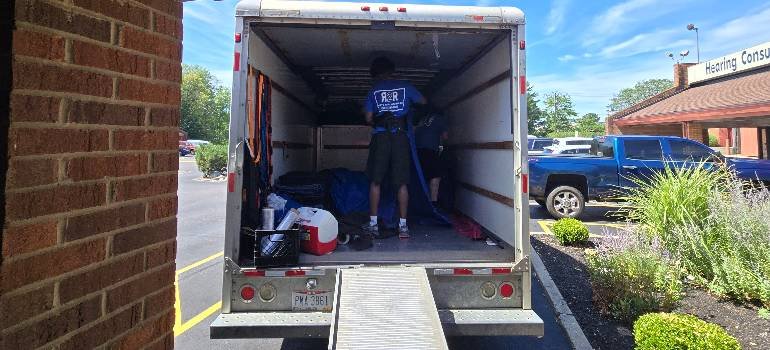
Review which services you actually need and confirm what is included in the written estimate, since add-ons can substantially increase the cost of an interstate move. It also helps to understand the difference between a moving estimate and the final invoice before signing an agreement.
Which moving costs are often overlooked?
The mover’s transportation charge may be only one part of your complete relocation budget. Your moving out of state cost may also include expenses connected to the trip, temporary housing, or your new home.
- Packing materials: Boxes, tape, mattress covers, wrapping paper, labels, and specialty cartons
- Travel expenses: Hotels, meals, fuel, tolls, airfare, or parking
- Vehicle transportation: Shipping a car, motorcycle, or recreational vehicle separately
- Pet-related costs: Pet transportation, boarding, veterinary documents, or temporary care
- Cleaning expenses: Cleaning the previous home, the new home, or both
- Building charges: Elevator reservations, move-in deposits, parking permits, or certificates requested by property management
- Utility and new-home expenses: Deposits, replacement furniture, immediate repairs, and household supplies
Add these expenses to the mover’s quote when calculating your total relocation budget. You can also review the hidden costs of moving in Cincinnati to avoid common budgeting surprises.
How do interstate moving estimates work?
Before choosing a mover, you should understand the type of estimate you are receiving. The estimate type can affect how much the final bill may change and how payment is handled at delivery.
What is a binding estimate?
A binding estimate generally sets the price for the shipment and services described in the written agreement. However, if you add belongings, request additional services, or fail to disclose access conditions, the mover may prepare a revised agreement or charge for the extra work.
What is a non-binding estimate?
A non-binding estimate is an approximation rather than a guaranteed final price. The final charge may be based on the actual weight of the shipment, the services provided, and the mover’s tariff.
For qualifying interstate household-goods moves, federal rules generally prevent a mover from requiring more than 110% of a non-binding estimate at the time of delivery. This does not necessarily remove all additional charges. A remaining balance may still be billed according to the applicable rules and the terms of the move.
What is a binding-not-to-exceed estimate?
A binding-not-to-exceed estimate generally establishes a maximum price for the listed shipment and services. If your shipment weighs less than expected, the price may be adjusted downward. If you add items or request extra services, the agreement may need to be revised.
Do not rely only on a verbal price. Request a written estimate, review the listed inventory, read the terms, and ask the mover to explain any charge you do not understand.

How does valuation coverage work for an interstate move?
Valuation coverage and third-party moving insurance are not the same thing. Interstate household-goods movers are required to offer different levels of liability protection for your shipment.
- Full Value Protection is the more comprehensive option. If an item covered under the mover’s responsibility is lost, damaged, or destroyed, the mover may repair the item, replace it with a comparable item, or provide a cash settlement according to the terms of the agreement.
- Released Value provides limited protection at no additional charge. It generally limits the mover’s liability to 60 cents per pound per article. This means the compensation for a lightweight but expensive item may be far below its actual replacement value.
Ask the mover to explain the available options, deductibles, exclusions, high-value-item requirements, and claim procedures before making your selection. Your homeowners or renters insurance may provide limited coverage during a move, but the terms depend on the policy.
What should you expect when moving from Cincinnati?
For Cincinnati residents, destination, route length, shipment size, and the mover you choose will shape the final moving out of state cost.
Where do Cincinnati residents commonly move?
Common destinations may include Florida, Texas, Illinois, and North Carolina. Costs vary depending on distance, shipment size, delivery requirements, and route complexity.
Moves to nearby states are typically less expensive than long hauls to Florida or Texas, although the amount of furniture and services selected can still have a major effect. For a route-specific example, see our guide to moving from Ohio to Texas.
- Shorter regional interstate routes may include Cincinnati to Indianapolis, Louisville, or Lexington.
- Medium-distance routes may include Chicago, Nashville, or Charlotte.
- Longer routes may include Dallas, Orlando, Denver, or destinations on the West Coast.
Even when a destination is relatively close to Cincinnati, crossing a state line makes the move interstate. This means federal interstate moving requirements may apply.
How can a local moving company help?
Hiring moving companies in Cincinnati Ohio offers key benefits:
- Personalized service
- Local knowledge
- Clear, upfront pricing
- A local point of contact during the planning process
- Experience with Cincinnati-area streets, buildings, parking, and access conditions
A trusted local mover can help keep the cost of an interstate move manageable. Before booking, confirm the company’s interstate operating authority, the services included in the estimate, and the expected pickup and delivery schedule.
How does furniture affect interstate moving costs?
Furniture is often one of the biggest factors in the cost of an interstate move. Knowing why helps you budget more effectively and decide when to bring in professionals.
Why is furniture expensive to move?
Large items such as sofas, beds, dressers, dining tables, and entertainment units are heavy, bulky, and often awkward to move. Cost of moving to another state rises due to:
- Disassembly and reassembly
- Protective wrapping
- Extra labor and truck space
- Special equipment for heavy or oversized pieces
- Additional time required for stairs, elevators, and tight spaces
These services add time and expense, especially for long-distance moves. Before moving every piece, compare its condition, replacement cost of moving to another state, sentimental value, and transportation requirements. Learning how to pack furniture when moving can also reduce the risk of damage. Selling or donating inexpensive bulky furniture may reduce the size of the shipment.
How can Cincinnati furniture movers help?
Furniture movers in Cincinnati specialize in safely handling bulky or fragile items. They offer:
- Damage prevention with appropriate tools and protective materials
- Help with stairs and tight spaces
- Less stress and physical effort for you
- Furniture disassembly and reassembly when included in the service
- Planning for oversized or unusually heavy pieces
Hiring professionals can help protect your belongings and reduce the risk of personal injury on moving day. Ask whether wrapping, disassembly, reassembly, and specialty handling are included in the estimate.

How do you choose the right long-distance mover?
The right moving company can make an interstate move easier to plan and less likely to produce unexpected charges. Focus on licensing, clear estimates, communication, and realistic delivery expectations.
What should you look for in a reputable mover?
Not all movers are equal. Trustworthy long-distance movers typically offer:
- Proper licensing and a USDOT number when required for interstate moves
- Clear, detailed estimates and written contracts that explain included services and possible additional charges
- Positive customer reviews and referrals that speak to reliability and service
- A clear explanation of whether the company is a carrier or a broker
- Information about valuation coverage and customer rights
- Realistic pickup and delivery expectations
Taking time to research your options can protect you from scams and costly surprises. Interstate household-goods movers should provide customers with federal consumer-rights information before the move.
How should you compare moving quotes?
The lowest estimate is not automatically the best option. Compare each company using the same inventory, dates, access details, and requested services.
- Verify the mover’s identity and operating authority.
- Confirm whether the company is a carrier or broker.
- Give every mover the same room-by-room inventory.
- Identify whether the estimate is binding, non-binding, or binding-not-to-exceed.
- Check whether packing materials and furniture services are included.
- Disclose stairs, elevators, parking restrictions, and long carries.
- Ask what circumstances could change the price.
- Review the pickup and delivery windows.
- Read all documents before signing.
What long-distance moving options are available in Cincinnati?
When it comes to long-distance moving companies in Cincinnati, local movers often combine regional knowledge with the ability to coordinate interstate service. Many offer:
- Interstate expertise paired with local service and accountability
- Transparent pricing and clearly explained delivery windows to help you plan confidently
- Assistance with inventory, furniture planning, and optional packing services
To dig deeper into how to find a mover you can trust, make sure you understand how to choose the right moving company for your specific needs.
How can you save on an out-of-state move?
These steps can reduce your moving out of state cost without cutting corners:
- Declutter before you pack to reduce the weight and size of your shipment
- Move during a lower-demand period such as late fall or early spring when your schedule allows
- Get at least three written estimates to compare pricing, services, and estimate types
- Ask about bundle deals or referral discounts from moving companies for possible savings
- Use the same inventory for every quote so you are comparing similar services
- Pack suitable non-fragile items yourself if this fits your schedule and abilities
- Request alternate moving dates to see whether availability or pricing changes
- Reserve elevators and parking early to prevent avoidable delays
- Avoid adding belongings after the estimate because inventory changes can increase the price
- Review cancellation and rescheduling terms before paying a deposit
- Check whether your employer offers relocation assistance or reimbursement

How can you get an itemized interstate moving estimate?
Before requesting a quote, prepare a room-by-room inventory and note stairs, elevators, parking restrictions, bulky or fragile items, packing needs, and storage requirements. Ready 2 Roll helps Cincinnati-area customers plan interstate relocations with practical service options, local support, and clear communication about the cost of moving to another state. Contact the team for an itemized estimate based on your belongings, destination, and preferred level of assistance.
Frequently asked questions and answers
Book movers about eight weeks ahead, or 12 weeks for summer moves. Early booking gives you more date options and makes it easier to compare the cost of moving to another state.
Most interstate moves take about 2 to 14 business days. Distance, weather, route, and shipment size affect timing. Expedited delivery may reduce delays but can raise the cost of an interstate move.
Movers usually refuse hazardous materials, propane tanks, gasoline, fireworks, paint thinner, and some chemicals. Keep medication, documents, jewelry, keys, and valuables with you.
Sometimes. Plant and soil restrictions vary by state, and some movers will not transport live plants. Separate transportation may increase your moving out of state cost.
Submit your USPS change of address shortly before moving. Also update banks, insurers, employers, and government records. Registration and license fees may add to the cost of moving to another state.
A small deposit can be normal, but large cash payments are a warning sign. Review refund terms, use a traceable payment method, and include the deposit in your moving out of state cost.
Yes. Delays may create hotel, meal, storage, furniture-rental, or missed-work expenses, increasing the total cost of an interstate move.