
Tips for moving to a new city alone
get a free quoteMoving to a new city alone is easier when housing, finances, packing, safety, and moving-day logistics are organised well in advance. Careful neighbourhood research, a realistic emergency fund, early decluttering, and clearly labelled boxes can prevent costly surprises. After arriving, setting up essential rooms and building regular local connections can help the new city begin to feel like home.
Moving to a new city alone requires more than packing boxes. You need to confirm your housing, calculate the full cost of relocating, organise moving day, and prepare for your first weeks after arrival. A 2026 study found that adults living alone had an 8.72-percentage-point higher probability of loneliness, while frequent neighbourhood interaction helped reduce that risk. If you are moving to a new city alone in your 20s, researching the area, creating a realistic budget, and planning ways to meet people can turn that mix of excitement and uncertainty into a manageable move.
What should you research before moving to a new city alone?
Before you pack a single box, spend time researching your new city. Learn about different neighborhoods, cost of living, and public transportation options. Check local cafés, parks, grocery stores, pharmacies, and cultural spots to understand what daily life would be like, particularly when moving to a new city alone in your 20s without an established local support network.
Compare at least three neighborhoods using the same criteria: total monthly housing cost, peak-hour commute, parking, public transportation frequency, distance to groceries and healthcare, and building access. Include mandatory fees, utility arrangements, security deposits, move-in hours, elevator reservations, and loading-zone restrictions.

Social media platforms, Reddit threads, and city guides offer insider perspectives, but compare those opinions with current rental listings and official transportation information. Before paying an application fee, security deposit, or first month’s rent, view the property in person or through a live virtual tour. Confirm the address, owner or management company, and all mandatory fees independently. Do not pay an unverified landlord through cash, gift cards, cryptocurrency, or a wire transfer.
If you’re working with moving companies from Cincinnati Ohio, ask about neighborhood familiarity—they often have local knowledge to share. They may also be able to identify parking, loading, stair, and elevator conditions that could affect moving day.
How much money should you save before moving to a new city?
Moving to a new city alone can involve expenses beyond the mover’s estimate. Your budget should cover housing, moving services, travel, utility setup, first-week purchases, and an emergency reserve. Account for the hidden costs of moving in Cincinnati, such as packing, parking, access charges, and overlapping utility service. For anyone moving to a new city alone in your 20s, keeping the relocation budget separate from emergency savings can reduce the risk of depending on credit after arrival. A common financial-planning benchmark is three to six months of regular expenses, although the right amount depends on income, obligations, and job stability.
| Expense | Include | Confirm by |
|---|---|---|
| Housing | Application fee, deposit, first rent payment, and building fees | Before applying or signing |
| Moving | Transport, labour, packing, access charges, and valuation coverage | Before signing the Order for Service |
| Travel | Fuel, flights, lodging, meals, and tolls | Before making non-refundable bookings |
| Utilities | Deposits, connection fees, and overlapping service | Two to four weeks before the move |
| First week | Food, cleaning supplies, bedding, and household basics | Before packing your essentials bag |
| Emergency fund | Unexpected housing, travel, medical, or income costs | Before paying deposits or movers |
Review several months of actual spending and include irregular expenses such as annual fees, medical costs, and vehicle maintenance.
For an interstate move, request a written estimate and check whether it is binding or non-binding. A binding estimate sets the price for the listed shipment and services unless the shipment or service requirements change. At delivery, an interstate mover generally cannot require more than 110% of a non-binding estimate for the listed services. If the estimate is $3,000, the base amount due at delivery generally cannot exceed $3,300, although added services may be charged separately.
What should you get rid of before moving?
Moving to a new city alone makes it especially important to avoid paying to transport belongings you no longer need. Complete the first decluttering pass four to six weeks before moving day. Moving is the perfect opportunity to lighten your load. Don’t bring more than you truly need. A practical way to downsize your belongings before moving is to sort everything into five groups: move, sell, donate, recycle, or discard.
Set a selling deadline at least one week before the move and donate anything that remains unsold. Review furniture first because removing one sofa, dresser, or table may change the required truck space and loading time.
Before moving a large item, measure its height, width, and depth. Compare those measurements with the new home’s doors, stairs, elevators, and available floor space. Also compare the item’s condition and replacement cost with the effort and expense required to transport it.
If you have large items to bring along, working with professional furniture movers in Cincinnati provides trained labor and moving equipment for handling them. Provide the mover with the item’s dimensions and any information about stairs, elevators, narrow entrances, or difficult parking.
When should you start packing for a move?
Moving to a new city alone is easier to manage when packing starts four to six weeks before moving day. A larger home, an interstate move, or a major decluttering project may require six to eight weeks. Pack decorations, books, and seasonal belongings first, followed by spare linens, extra kitchenware, and nonessential electronics two to three weeks before the move.
During the final 48 hours, pack the remaining nonessential belongings and prepare one first-night bag. Keep medication, identification, moving documents, keys, toiletries, chargers, clothing, water, and pet supplies outside the shipment. This is particularly important when moving to a new city alone in your 20s and arriving without someone nearby who can immediately replace a forgotten essential. Checking what not to pack when moving also helps prevent restricted, hazardous, or essential items from entering the moving truck.
Use clear labels that show the destination room, priority level, box number, general contents, and whether the box is fragile, heavy, or should be opened first. Number related boxes consecutively, such as “Kitchen 1 of 6,” and keep a matching inventory on your phone.
Packing smart especially helps solo movers stay on track. Keep your photo identification, keys, medication, phone charger, lease, written estimate, Order for Service, Bill of Lading, and inventory with you rather than loading them onto the truck.

Should you hire movers or move yourself?
Hiring movers is often more practical when you are relocating alone, crossing state lines, moving heavy furniture, dealing with stairs or restricted parking, or working within a limited building access window. A DIY move may suit a small local shipment when you have suitable help, safe loading access, and a vehicle large enough for the job. The same factors should shape how you plan a long-distance move, particularly when delivery windows and interstate requirements are involved.
Hiring experienced long-distance movers in Cincinnati can ease your worries. They bring the expertise and equipment needed to protect your belongings throughout the journey. Professional movers handle the heavy lifting and logistics, allowing you to focus on settling in.
For an interstate move, obtain written estimates from at least three movers or brokers. Compare the total price, included services, valuation choice, pickup and delivery windows, payment methods, cancellation terms, U.S. DOT registration, and complaint history.
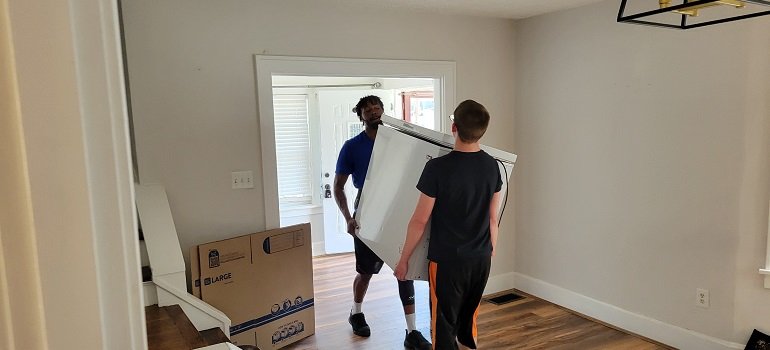
A mover transports the shipment using its own trucks and staff. A broker arranges transportation with another company and does not transport the belongings itself. Both must be registered with the Federal Motor Carrier Safety Administration for interstate work. Confirm which company will physically transport the shipment before moving day.
Review the written estimate, Order for Service, Bill of Lading, inventory, access charges, and valuation option before signing. Interstate movers must offer Full Value Protection and Released Value Protection. Released Value Protection provides no more than $0.60 per pound per article, so a 20-pound television could be valued at only $12.
Companies like Ready 2 Roll Moving Ohio can prepare a more complete estimate when the customer provides the origin, destination, move date, inventory, packing requirements, stairs, elevators, parking conditions, and oversized items. Explore full Cincinnati moving services to find a package that fits your needs and budget. Confirm what is included in the written estimate instead of assuming that packing, stairs, long carries, or other services are part of the base price.
How can you feel safer after moving to a new city alone?
Moving to a new city alone also means handling first-day safety checks yourself. During the first 24 hours, confirm that exterior doors, windows, and balcony doors lock correctly. Ask the landlord or property manager who has keys or access codes, share your address and moving schedule with a trusted person, and avoid publishing the full address online.
Report a faulty lock, missing alarm, or damaged window in writing on the first day and photograph the condition. Locate the nearest pharmacy, urgent-care facility, and emergency services. Test smoke and carbon-monoxide alarms monthly. Smoke alarms should be installed on every level, inside each bedroom, and outside sleeping areas; carbon-monoxide alarms should be on every level and outside sleeping areas.
How do you make a new place feel like home?
Once you arrive, unpack the essentials first. Bring out the items that offer comfort and routine—your favorite blanket, photos, and books.
- Set up your bed early for restful sleep.
- Hang pictures that remind you of home.
- Arrange personal items to create a familiar space.
During the first evening, set up the bed and bedding, medication, bathroom supplies, phone charger, drinking water, basic food, work or school clothes, and pet supplies where applicable. Leave artwork and decorative items until the bedroom, bathroom, and one food-preparation area are functional.

How do you meet people after moving to a new city?
The most practical way to form local connections is to attend recurring activities where you see the same people regularly. As a first-month goal, choose one weekly activity and attend it three or four times.
Creating new habits helps you feel grounded in unfamiliar surroundings. Take daily walks to learn your neighborhood. Visit local coffee shops, join a fitness class, or volunteer to meet new people.
Apps like Meetup and Bumble BFF are especially helpful for those moving to a new city alone in your 20s. Libraries, recreation centers, volunteer organizations, and sports clubs also create opportunities for repeated contact.
Maintaining relationships with friends and family is important. Keep in touch regularly through calls, texts, or video chats, but leave time for new relationships and local routines.
What should you check before moving day?
Before leaving, confirm property access, the mover’s arrival window, utility dates, your essentials bag, medication, and identification. Update banks, insurers, employers, healthcare providers, and regular senders at least two weeks before the move. Moving to a new city alone in your 20s may feel like a major step, but clear arrangements for housing, transport, money, safety, and social connections make the transition easier to control. Ready 2 Roll Moving can provide practical support when moving to a new city alone and prepare a more accurate estimate when you provide the origin, destination, move date, inventory, access conditions, and required services. Start by contacting the right moving company.
Frequently asked questions and answers
Having confirmed employment reduces financial pressure, but it is not always essential. Before moving without a job, calculate how long your savings can cover rent, food, transport, insurance, and emergencies while you search.
Request copies of medical, dental, veterinary, school, insurance, and prescription records. Confirm whether your current providers can transfer them directly and identify new providers before arrival, especially when ongoing medication or treatment is involved.
Schedule a veterinary appointment, update identification details, check vaccination requirements, and confirm pet rules at the new property. Keep food, water, medication, waste supplies, and familiar bedding accessible during the journey rather than inside the moving shipment.
Start using frozen and refrigerated food two to three weeks before departure. Avoid buying bulk groceries, dispose of expired products, and confirm whether your mover accepts sealed pantry goods. Perishable food should not remain unrefrigerated during a long journey.
It can offer career opportunities, independence, and new experiences, but preparation matters. Confirm affordable housing, dependable income, healthcare access, transportation, and emergency savings before committing. Establishing a local routine and support network can make the transition more manageable.